

The new Building Safety Levy came into force on 1 October 2026, introducing an additional cost for many residential developments across England.
Designed to raise approximately £3.4 billion over at least 10 years, the levy will help fund the remediation of historic building safety defects, including unsafe cladding.
For property developers, understanding the new charges is essential when assessing development viability and future land acquisitions.
What Is the Building Safety Levy?
The Building Safety Levy is a government charge applied to qualifying residential developments in England.
It generally applies to developments containing 10 or more dwellings, including new-build houses, apartments and certain residential conversions.
Unlike the Community Infrastructure Levy (CIL), which funds local infrastructure, the Building Safety Levy contributes towards addressing historic building safety issues.
How Much Will Developers Pay?
The levy is calculated according to the development's chargeable floorspace, local authority area and whether the site qualifies as previously developed land.
The full table of local authority rates is below. All figures are £ per square metre of chargeable floorspace.
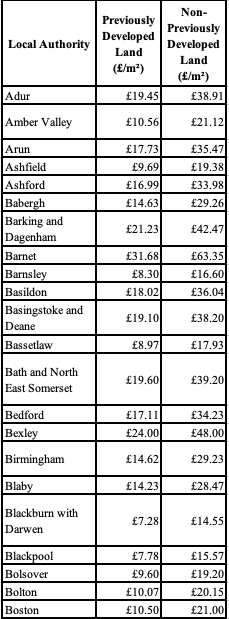
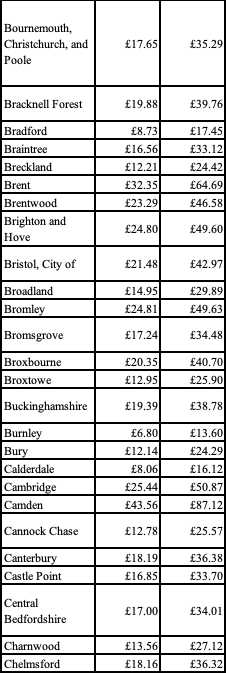
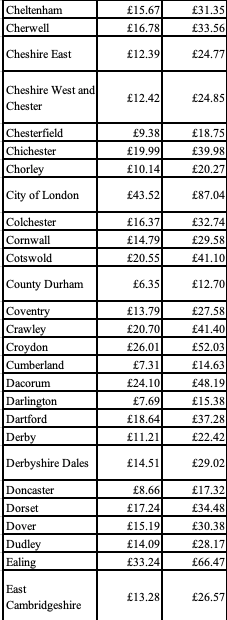
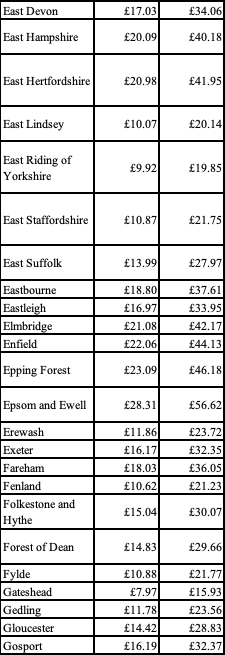
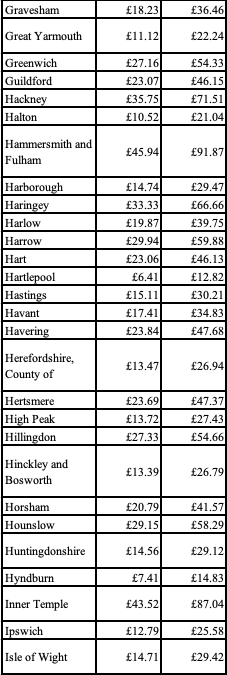
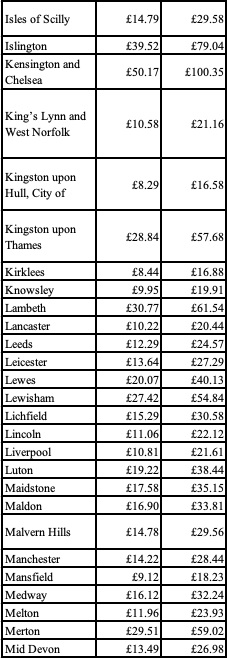
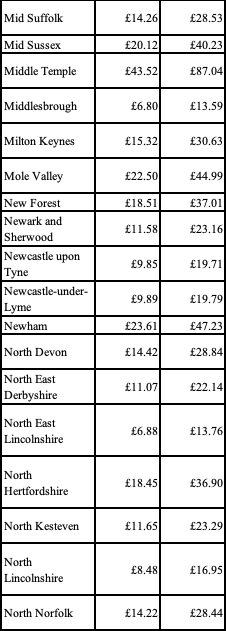
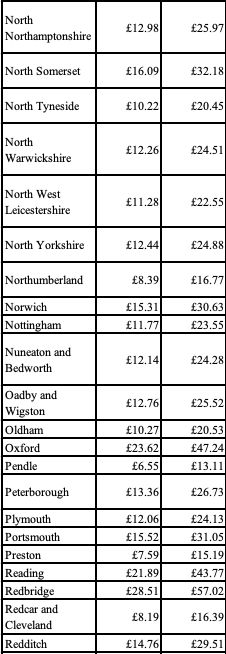

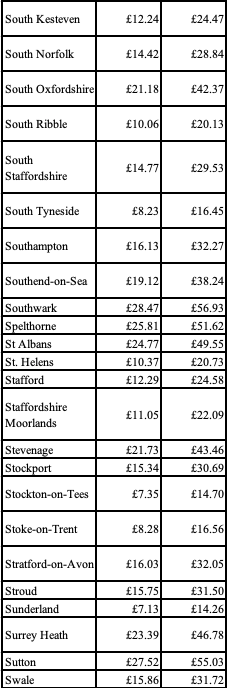
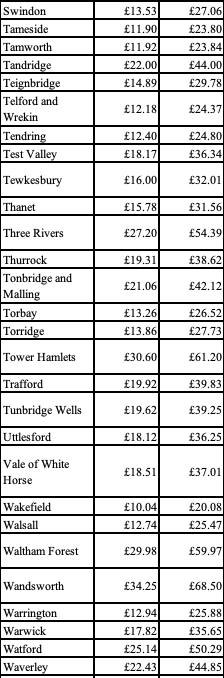
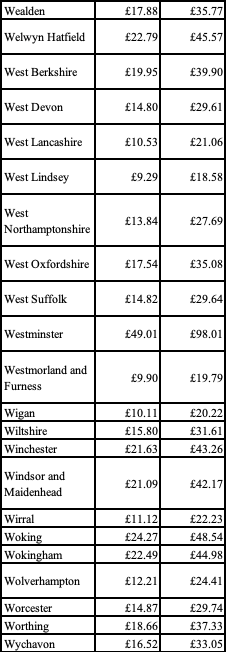
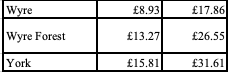
Source: UK Government — Building Safety Levy rates and calculations.
These rates demonstrate how costs vary by location, and why developers should check the applicable rate early in the appraisal process.
Brownfield Sites Benefit From Reduced Rates
A key feature of the levy is the 50% discount for qualifying previously developed (brownfield) land.
Generally, at least 75% of the relevant site area must meet the regulatory definition of previously developed land to qualify.
Establishing a site's classification is therefore particularly important when evaluating potential development opportunities.
Are There Any Exemptions?
Certain developments are exempt, including:
- Qualifying developments containing fewer than 10 dwellings.
- Affordable and social housing.
- Certain supported housing.
- Specified care and communal accommodation.
Developers should check the eligibility requirements before assuming an exemption applies.
When Is the Levy Payable?
The levy applies to qualifying building control applications made from 1 October 2026.
Payment is generally required before first occupation or the relevant completion-stage submission, whichever occurs first.
Failure to pay could delay completion certification, occupation and property sales.
What Does This Mean for Developers?
The levy introduces another consideration for residential development viability, alongside construction costs, planning obligations and finance costs.
Developers should:
- Incorporate levy costs into development appraisals and residual land valuations.
- Check local authority rates and brownfield eligibility.
- Review available exemptions.
- Account for payment deadlines within cash flow forecasts.
Final Thoughts
The Building Safety Levy represents a significant regulatory change for residential developers in England.
With charges varying by location and land classification, early assessment of levy liability is essential to accurately forecast costs, protect development viability and avoid unexpected financial pressures.
Understanding the levy before acquiring land or progressing a scheme will help developers make more informed investment decisions.
S106 Management are here to help with any impacts the Building Safety Levy has on the viability of your scheme.
Contact us today!


